カスタムステンレス鋼手すりメーカー
でヴィオンタでは、建物の安全性と美観の両方を高める高品質の金属手すりを提供しています。住宅、商業、またはカスタムプロジェクトに取り組んでいる場合でも、当社の手すりはあらゆるスペースのニーズを満たすことができます。ステンレス鋼の手すりは、耐食性、高い安全性、長寿命、優れた外観、メンテナンスの必要性の低さにより、建築分野での需要が非常に高いです。
中国のステンレス鋼手すりの専門メーカーおよびサプライヤーとして、Vionta は高品質の素材、厳格な職人技、安全な構造を備えた世界的な建設プロジェクトに信頼できるソリューションを提供しています。必要かどうかガラスの手すり、水平手すり、垂直手すり、またはカスタマイズされた階段手すりなど、包括的なソリューションを提供できます。
ステンレス手すりとは何ですか?
ステンレス鋼手すりは、主にステンレス鋼で作られた手すりシステムです。階段、バルコニー、テラス、プラットフォーム、廊下などの場所で使用されます。その中心的な機能は、安全性と構造的サポートを提供すると同時に、空間の美観を高めることです。
|
SS の種類 |
特徴 |
適用環境 |
|
304 |
耐食性に優れ、コストパフォーマンスの高い万能ステンレス鋼 |
屋内、一般屋外 |
|
316 |
モリブデンが含まれており、304 ステンレス鋼よりも耐食性が大幅に優れています。 |
海辺、プール、高湿度環境 |
|
316L |
低炭素バージョンで粒界腐食に対する耐性が強化 |
海洋工学、化学工学環境 |
ステンレス手すりの基本構造構成
完全なステンレス製手すりシステムは主に次のコンポーネントで構成されます。
1.投稿
2. 手すり
3. インフィル(バー/ケーブル/ガラス)
4. ベースプレート
5. コネクタ
6. ガラスクランプ(ガラス手すり用)
7. 手すりブラケット
ベースプレート:
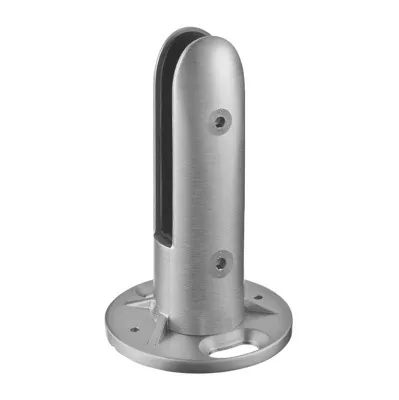
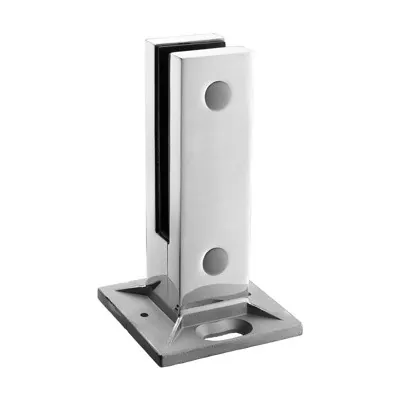
役職:
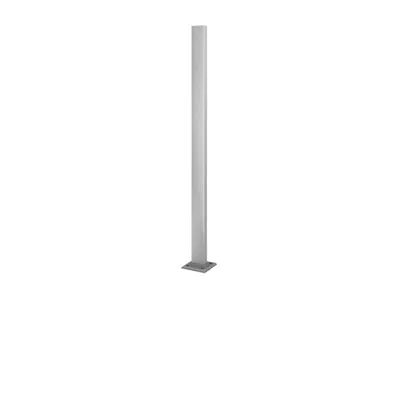
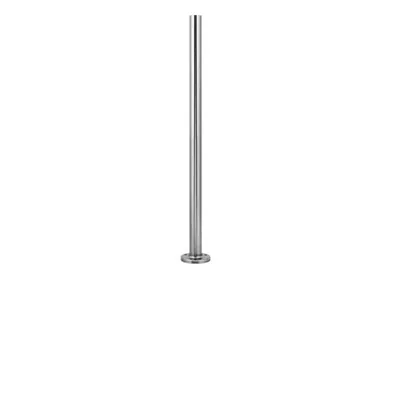
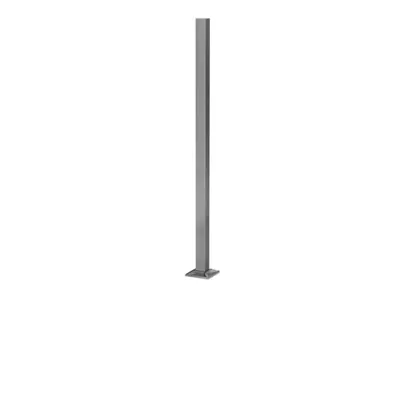
コネクタ:
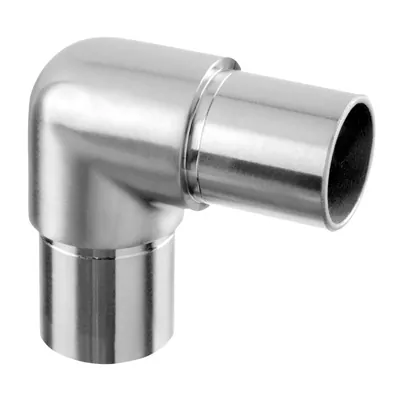
90°チューブコネクタ
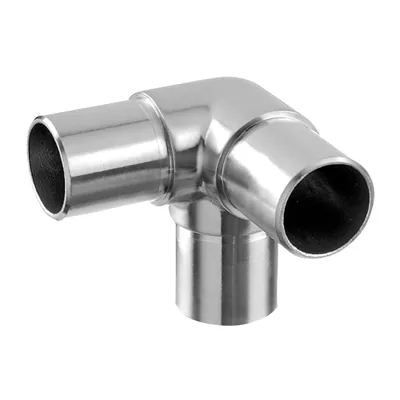
90° 3 方向チューブコネクタ
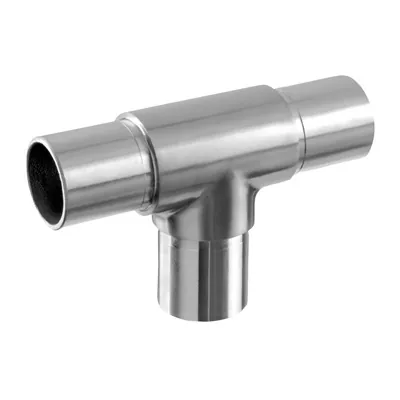
Tコネクタ
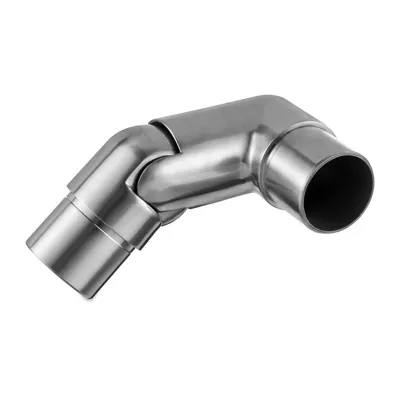
調整可能なチューブコネクタ
インフィル:
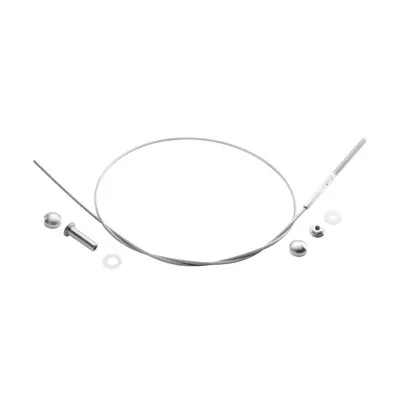
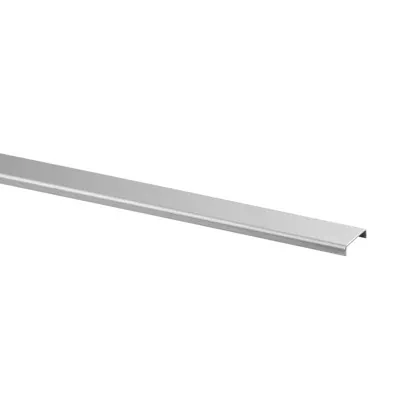
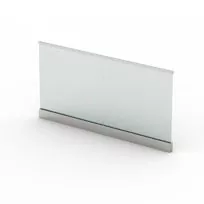
階段、バルコニー、廊下に時代を超越した魅力を加える Vionta のステンレス製手すりをぜひご覧ください。当社の広範な製品範囲では、ほぼすべての設置環境と設計要件に対応する手すりソリューションを見つけることができます。
- View as
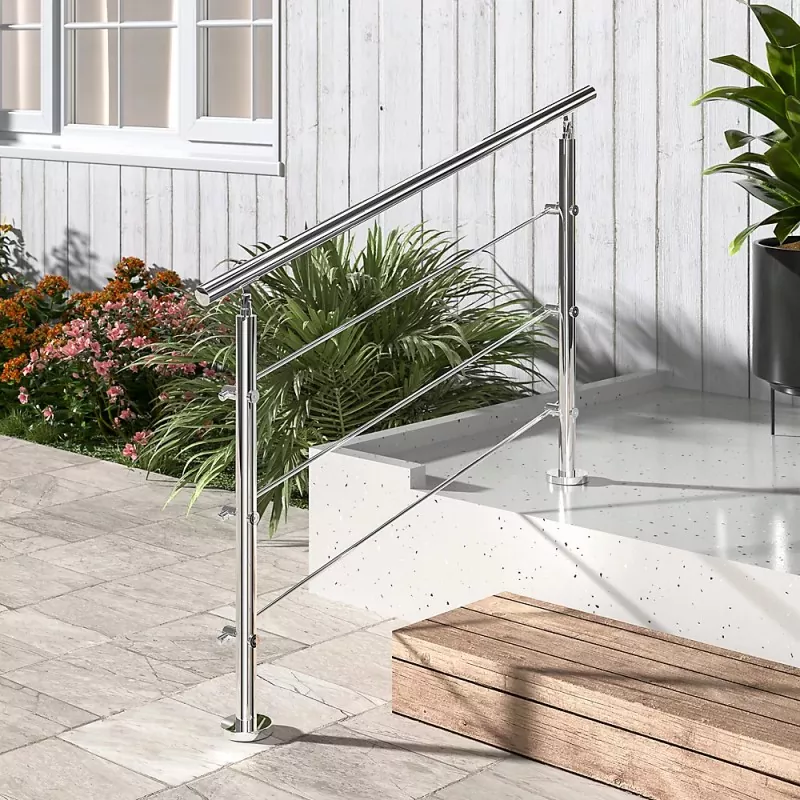
ステンレス階段手すり
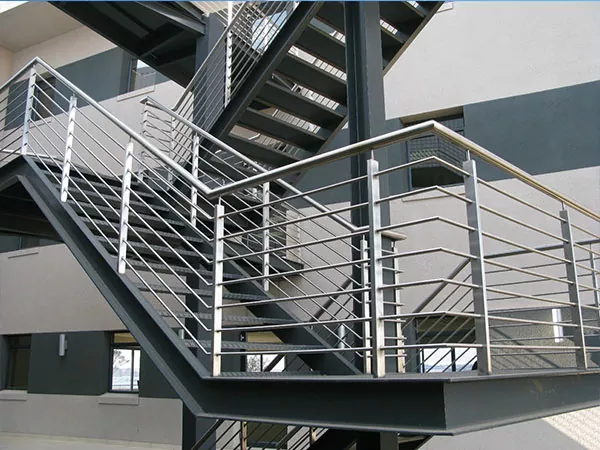
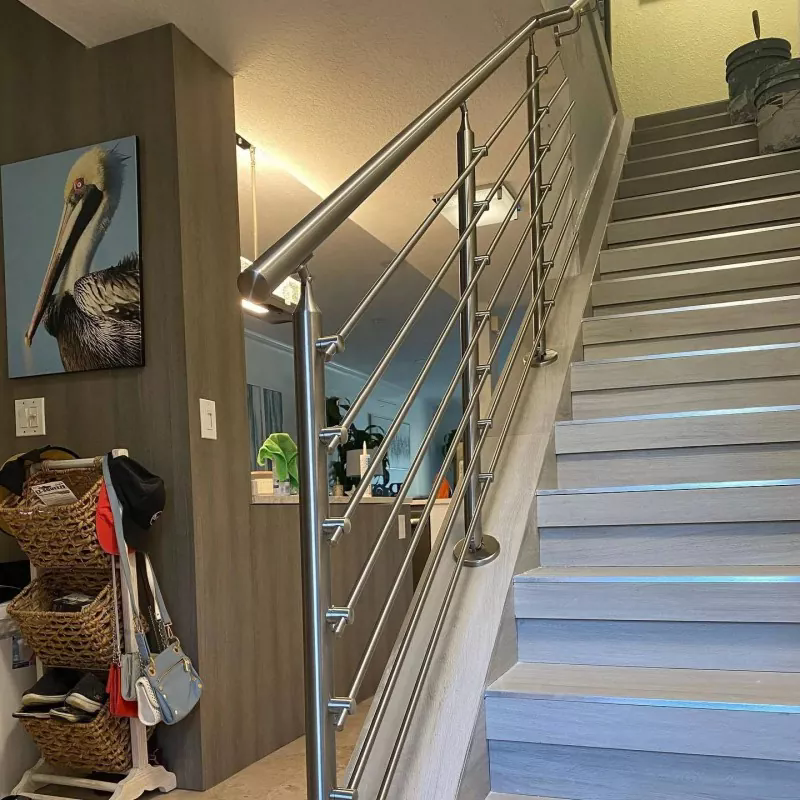
高齢の家族や子供にとって安全性とアクセシビリティが懸念される場合は、ステンレス製の階段手すりを設置することが現実的な解決策です。安定したサポートを提供するように設計されたこれらの手すりは、屋内外の階段、スロープ、庭の階段、家の入り口、バルコニーなどの幅広い用途に適しています。
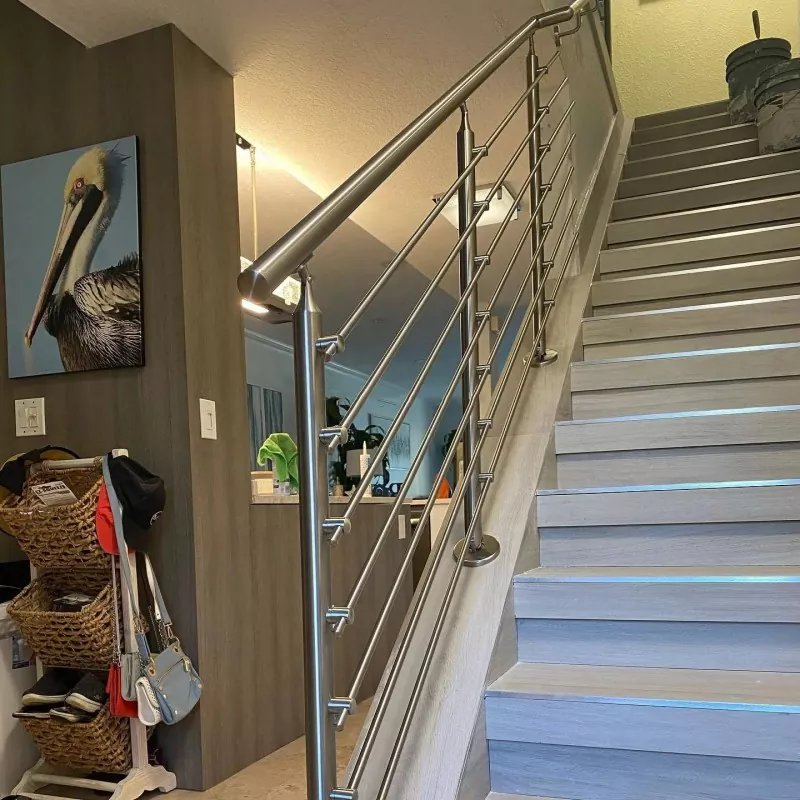
ステンレス製欄干
大規模な建設や商業建設プロジェクトでは、精度、信頼性、設置速度が非常に重要です。これが、Vionta ステンレス鋼手すりが世界中の請負業者、建築家、開発者から信頼されている理由です。 Vionta の階段手すりは、中国の大手メーカーとサプライヤーによって設計、製造されています。構造強度と合理化された設置を組み合わせて、さまざまなプロジェクトの耐久性と効率性の要件を満たします。
構造性能を重視した設計
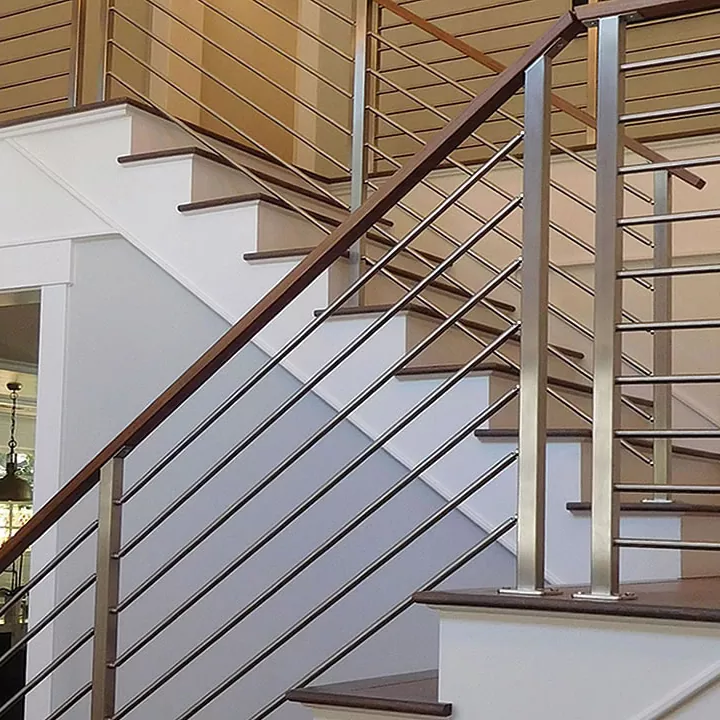
ステンレス鋼手すりレール
階段やバルコニー用の強くて美しいステンレス鋼手すりをお探しの場合は、vionta ステンレス鋼手すりを検討する価値があります。私たちは安全でファッショナブルな手すりシステムの開発に重点を置いています。当社の製品は家庭、企業、産業現場で幅広く使用されています。中国に根ざした強力なメーカーとして、vionta はさまざまなプロジェクトのニーズに真に応えるカスタマイズをサポートします。
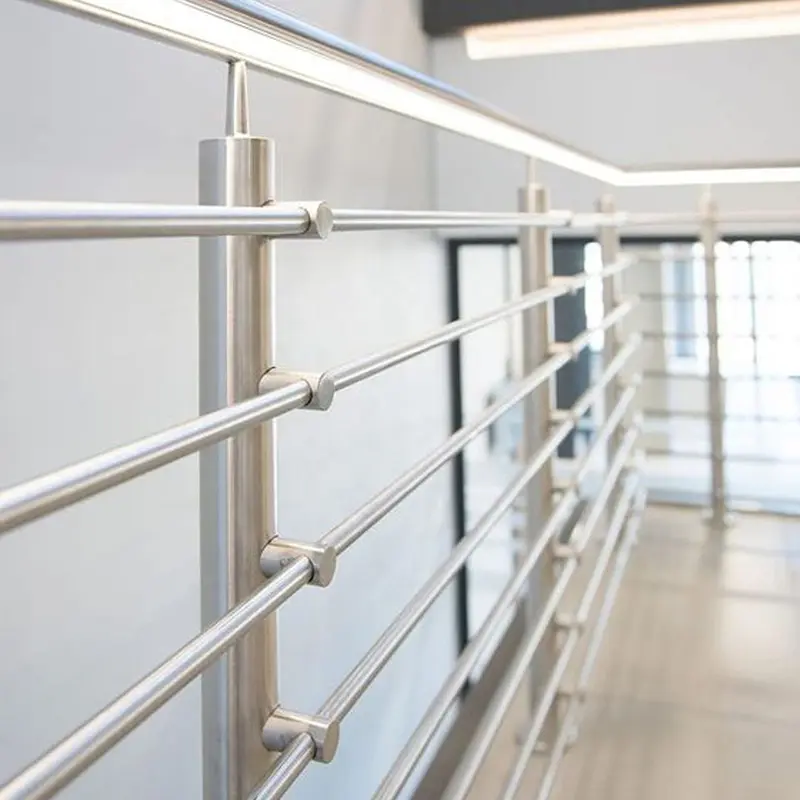
バルコニー用ステンレス手すり
私たち Vionta では、専門の専門家とチームの助けを借りて、最高品質のデザインのバルコニー用ステンレス鋼手すりを大切なお客様に提供しています。当社の Vionta バルコニー手すりを設置すると、あなたの家は美しく高貴な外観になります。当社が提供する製品は、設定された工業規格に準拠した高品質のステンレス鋼素材と一流の技術を利用して開発されています。
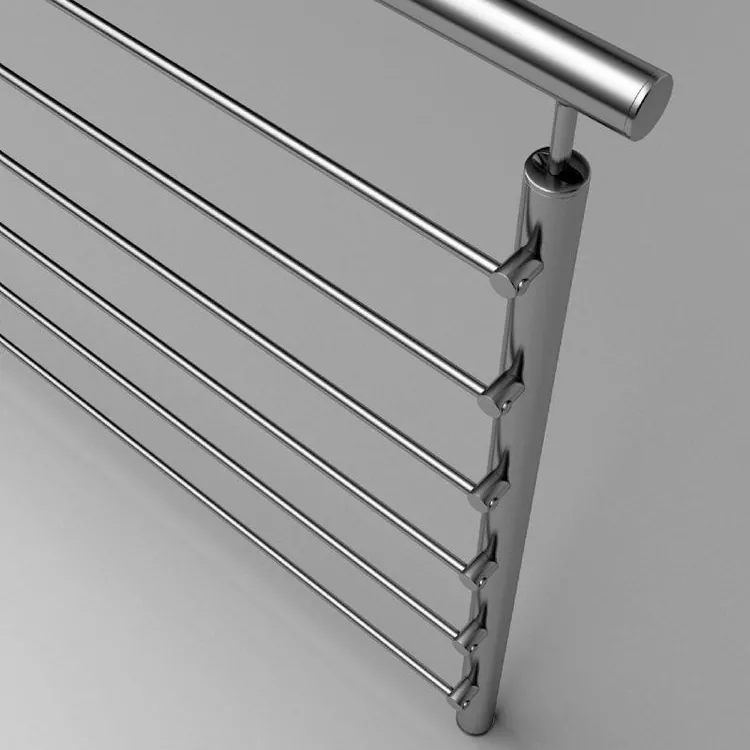
ステンレス製階段手すり
安全性、強度、スタイルのいずれかを選択する必要がない、ステンレス製の階段用手すりが必要な場合は、それが見つかります。 Vionta ステンレススチール手すりは、これら 3 つすべてを 1 つにまとめます。経験豊富な中国のメーカーによって製造された当社の手すりシステムは、家庭、オフィス、商業施設にスムーズにフィットするように設計されており、信頼できるサポートと決して時代遅れになることのない外観を提供します。
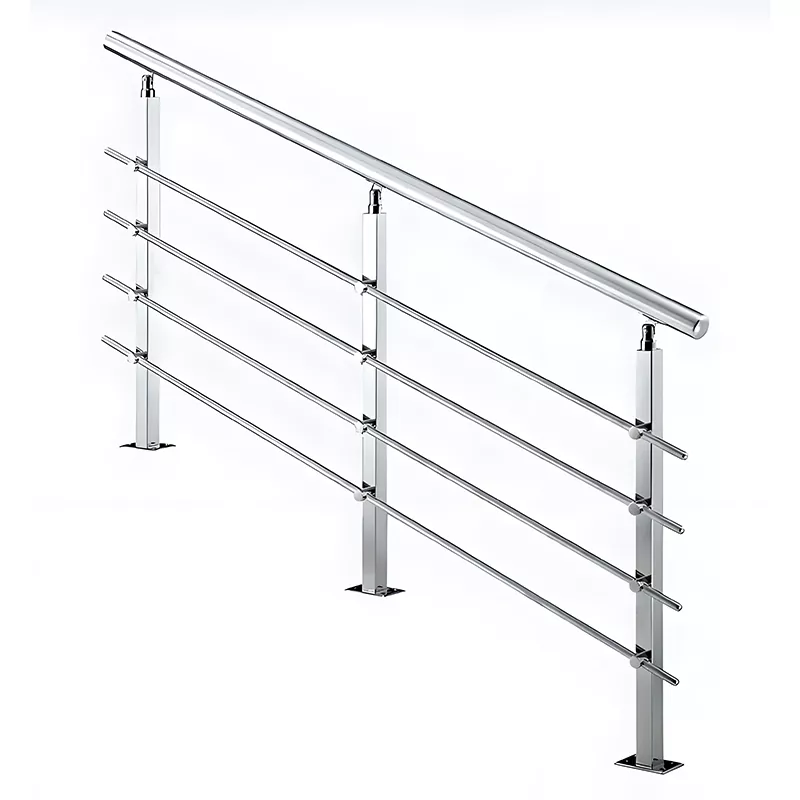
ステンレス製階段手すり
住宅の安全性を向上させるだけでなく、屋内外のデザインと完璧に統合できるステンレス製の階段手すりをお探しですか? Vionta はあなたの理想的なサプライヤーです。
当社のステンレス製手すりの製品範囲
毎ヴィオンタメタル下記の製品カテゴリーより、ご希望の寸法、表面仕上げ、グレードに合わせて設定が可能です。コンポーネントを組み合わせて完全なシステムを構築します。
🔩
ケーブル手すりシステム
ポスト間に張られた水平または斜めのステンレス鋼ワイヤー ケーブル。安全性を犠牲にすることなく、視界を最大限に確保するオープンで透明な外観を提供します。デッキ、バルコニー、プールのフェンスとして人気があります。
🪟
ガラス手すり(フレームレス&セミフレームレス)
ステンレス鋼の差し込み口、チャンネル、またはクランプで保持された強化ガラスまたは合わせガラスのパネル。遮るもののないすっきりとした視界を実現します。高級住宅のバルコニー、ホテル、商業用インテリアなどに広く使用されています。
🏗️
手すりの支柱とベースプレート
円形または角形のチューブプロファイルの垂直構造ポスト。表面取り付け用の溶接ベース プレート、または埋め込み設置用のコアドリル付きが利用可能です。標準サイズとカスタム長が利用可能です。
🖐️
ステンレス製手すり
円形、楕円形、または長方形のチューブ プロファイルの上部レール。快適なグリップと構造的剛性を考慮して設計されています。階段の角度に合わせて直線、曲線、または曲げることができます。壁掛けブラケットもご用意しております。
🔧
欄干バーおよびフラットバーインフィル
支柱間の詰め物として使用される水平または垂直の平鋼および丸鋼。クリーンでモダンな美学を提供し、住宅用途のほとんどの建築基準間隔要件に準拠しています。
⚙️
手すりの付属品と付属品
すべてのコンポーネントを完成したシステムに結合するコネクタ、エンド キャップ、エルボ、T 字継手、調整可能なフランジ、およびハンド レール ブラケット。シームレスな外観を実現するために、適合するグレードと仕上げをご用意しています。
304 対 316 ステンレス鋼 — どのグレードが必要ですか?
適切なグレードを選択することは、長期的なパフォーマンスにとって最も重要な決定です。ここでは単純な比較を示します。
| 比較係数 | グレード 304 ステンレス鋼 | グレード 316 ステンレス鋼 |
| クロム含有量 | 18% | 16~18% |
| ニッケル含有量 | 8% | 10~14% |
| モリブデン | なし | 2~3%(耐食性向上のために添加) |
| 海水/海洋環境 | ✗推奨されません | ✓優れた耐性 |
| 沿岸・高湿環境での使用 | 可(内陸のみ) | ✓強くお勧めします |
| 屋内/乾燥環境 | ✓素晴らしい選択 | ✓こちらも適しています |
| プールと化学物質への曝露 | ✗推奨されません | ✓優先グレード |
| 相対コスト | 低い (約 15 ~ 25% 少ない) | 高い(モリブデンとニッケルのため) |
| 代表的な用途 | 屋内階段、屋内バルコニー、商業施設内、乾燥した屋外エリア | 海岸バルコニー、プールエリア、海洋デッキ、海洋構造物 |
| 一般的な製品形態 | 手すり、柱、手すり子、付属品 | ケーブル手すり、栓、ガラスクランプ、すべての沿岸コンポーネント |
経験則:手すりが海から 5 km 以内、プールの近く、または凍結防止塩にさらされている場合は、常にグレード 316 を指定してください。標準的な屋内および保護された屋外での使用の場合は、グレード 304 がコスト効率が高く、優れた性能を発揮します。 Vionta Metal では、両方のグレードを一年中在庫しており、迅速な発送が可能です。
ステンレス製の手すりを選ぶ理由
アルミニウム、木材、錬鉄、または粉体塗装されたスチールと比較して、ステンレス鋼は、他の材料に匹敵する耐久性、美観、低寿命コストの組み合わせを実現します。
🛡️
耐食性
ステンレス鋼の酸化クロム層は傷がついたときに自己修復するため、塗装やコーティングをしなくても本来の防錆性が得られます。グレード 316 にはモリブデンが添加されており、塩化物および塩水環境で優れた性能を発揮します。
⏳
長寿命
適切に指定され設置されたステンレス鋼の手すりは、通常、最小限のメンテナンスで 30 ~ 50 年以上持続します。腐ったり、反ったり、亀裂が入ったり、色褪せたりすることがないため、定期的な再塗装や交換が必要な材料よりも総所有コストがはるかに低くなります。
🏋️
高い強度重量比
ステンレス鋼は 515 ~ 620 MPa (グレード 304) の引張強度を備えており、スリムなチューブセクションが重くてかさばるプロファイルを作成せずに構造荷重要件を満たすことができます。柱や手すりはスリムでエレガントなままです。
🧹
簡単なメンテナンス
通常必要なのは、石鹸と水、または中性ステンレススチールクリーナーを使用した定期的な洗浄だけです。塗装もシーリングも年に一度の処理も必要ありません。つや消し仕上げは小さな傷を隠し、時間が経っても外観を維持します。
♻️
リサイクル可能で持続可能
ステンレス鋼は品質を損なうことなく 100% リサイクル可能です。有害なコーティングや処理が含まれていないため、グリーンビルディングプロジェクトと一般建設の両方において環境に責任のある選択肢となります。
🎨
モダンで多彩な美学
ブラッシュ仕上げ、ミラー仕上げ、ブラック PVD、ゴールド PVD、その他の仕上げをご用意しています。ガラスインフィル、ケーブルインフィル、またはバーインフィルと連携して、ミニマリストの現代的な外観から工業用および豪華な建築的な外観に至るまでのスタイルを作成します。
適切なステンレス製手すりシステムの選び方
次の 4 つの手順に従って、プロジェクトに適したグレード、プロファイル、インフィル、仕上げの組み合わせを特定します。
| ステップ | 質問から回答まで | 何が決まるのか |
| ステップ 1 — 環境 | 手すりは海岸沿い、プールサイド、屋内、または標準的な屋外のものですか? | ステンレスグレード: 304 (内陸/内部用)。 316 マリン、プール、沿岸用 |
| ステップ 2 — インフィルのタイプ | オープンなビュー、ガラスの透明性、それとも堅固で伝統的な外観をお望みですか? | インフィルの選択: ケーブル (オープン)、ガラス (透明)、バー/手すり子 (従来型) |
| ステップ 3 — ポストとレールのプロファイル | デザインスタイルはモダン/ミニマリスト、インダストリアル、それともトラディショナルですか? | モダンなラウンドチューブ。工業用角管。伝統的なエレガンスを演出する楕円形 |
| ステップ 4 — 表面仕上げ | 周囲の素材やデザインパレットは何ですか? | ほとんどのプロジェクトではブラッシュド (No. 4)。贅沢な鏡。フィーチャー手すりの PVD カラー |
ステンレス製手すりに関するよくある質問
建築家、請負業者、住宅所有者から最もよく寄せられる質問への回答。
ステンレス製の手すりは屋外では錆びますか?
ステンレスは錆びに強いですが、あらゆる環境下で完全に錆びないわけではありません。グレード 304 は、塩化物との長時間の接触 (海水、プールの化学物質) にさらされると、表面に汚れが生じる可能性があります。これが、海岸やプールに隣接する設置にはグレード 316 が推奨される理由です。標準的な屋外環境では、304 は定期的に洗浄すれば数十年間錆びない状態を保ちます。軽い表面の錆(多くの場合、建設時に浮遊する鉄粒子によるもの)に気付いた場合は、ステンレススチールクリーナーで取り除くことができ、材料自体の故障を示すものではありません。
建築基準法で必要な手すりの高さはどれくらいですか?
建築基準法の要件は国や用途によって異なります。米国では、国際住宅法 (IRC) により、地面から 30 インチ未満の住宅用デッキの場合はガードレールの高さが少なくとも 36 インチ (914 mm)、商業用途またはそれ以上の高さの場合は 42 インチ (1067 mm) であることが求められています。英国では、最小防護高さは一般に住宅では 900 mm、商業では 1100 mm です。必ず地元の建築当局にご確認ください。当社のチームは、指定された高さを満たす手すりシステムを提供できます。ご希望の寸法にカット済みのポストもご提供可能です。
ステンレス製の手すりの掃除とメンテナンスはどのようにすればよいですか?
日常的な清掃は、柔らかい布またはスポンジに温かい石鹸水を付けて行うだけで十分です。つや消し仕上げの場合は、常に木目の方向に拭いてください。スチールウール、漂白剤、研磨剤入りクリーナーの使用は避けてください。これらは表面を損傷したり、鉄粒子が入り込んで汚れが付着したりする可能性があります。汚れがひどい場合は、専用のステンレススチールクリーナーを使用し、輝きを取り戻すためにミネラルオイルを薄く塗布します。沿岸地域では、荒天の後に真水で洗い流すか、塩水スプレーを数週間ごとに行うことをお勧めします。ほとんどの設置では、年に 2 ~ 4 回の完全な清掃で十分です。
ステンレス手すりを現場で溶接できますか?
はい。ステンレス鋼は TIG (タングステン不活性ガス) 溶接を使用して溶接でき、きれいで強力な接合が得られます。現場溶接は、機械的な取り付けが好まれないカスタム設置の場合に一般的です。熱影響部の耐食性を完全に回復するには、溶接完了後に不動態化または酸洗する必要があります。ほとんどの住宅プロジェクトでは、溶接技術を必要とせず、設置中に調整が可能な機械式継手 (スエージレス、プッシュロック、またはねじコネクタ) が好まれます。
ケーブル手すりとワイヤーロープ手すりの違いは何ですか?
これらの用語は通常、同じ製品を指します。 「ケーブル手すり」は建築および住宅市場で一般的に使用される用語ですが、「ワイヤー ロープ」は索具およびエンジニアリングの文脈で使用される専門用語です。どちらも、1×19 (剛性) または 7×7 (柔軟) 構造で組み立てられたマルチストランド ステンレス鋼ワイヤーについて説明しています。手すり用途では、伸縮性が非常に低く、一貫した張力を維持できる 1×19 構造が最も一般的です。通常、ワイヤの直径は ⌀3 mm ~ ⌀6 mm で、手すりの支柱にねじ込むスエージまたはスエージレス エンド フィッティングで終端されます。
完全な手すりキットまたは個別のコンポーネントを提供しますか?
ヴィオンタメタル は両方を供給しています。完全なシステム キットには、すべての支柱、上部レール、充填材 (ケーブル、ガラス栓、または手すり子)、フィッティング、および特定のランレングスと支柱間隔に合わせてサイズ設定されたハードウェアが含まれています。請負業者は、独自の数量を指定する個別のコンポーネント (チューブ、ポスト、継手、ケーブル) も利用できます。プロジェクトの注文の場合は、図面またはレイアウトの寸法を提出し、過剰注文を避けるためにチームに数量を記載したコンポーネントリストを作成させることをお勧めします。すぐに設置できる状態で納品される工場完成品に対して、カスタムの切断、穴あけ、溶接を手配できます。
ケーブル レールにはどのくらいの支柱間隔が推奨されますか?
ケーブル レール システムの場合、柱間隔は 1200mm ~ 1500mm (4 ~ 5 フィート) が標準です。間隔が広いと、横方向の力によってケーブルがより大きくたわむため、時間の経過とともにケーブルがたるみ、荷重テストに失敗する可能性があります。長距離の走行では、中間ポストまたはテンションポストが必要になる場合があります。角度やコーナーでは、張力を失うことなくケーブルの向きを変えるために、特別なコーナーポストまたはスイベルフィッティングが使用されます。当社のチームは、関連する負荷規格を確実に遵守するために、ケーブルの直径とランレングスに基づいてポストの間隔についてアドバイスします。
手すりを指定する準備はできましたか?ヴィオンタ・メタルと話す。
プロジェクトの図面、寸法、または簡単なスケッチをお送りください。当社のチームが 24 時間以内に詳細な製品の推奨事項と見積もりを作成します。見積もりを取得するために義務や最低注文は必要ありません。
カスタムサイズも利用可能 グレード 304 & 316 在庫あり 製造証明書が提供されます 世界中に輸出