How Do You Maintain and Extend the Life of Your Aluminum Awning?
One of the most compelling arguments for choosing aluminum awnings over fabric or timber alternatives is the dramatically lower maintenance burden. However, even aluminum awnings benefit from a simple, consistent maintenance program that preserves the surface finish, keeps mechanical components functioning smoothly, and ensures the drainage system performs correctly through all seasons.
Routine Maintenance Schedule
| Maintenance Task | Frequency | Method | Notes |
| Surface wash with mild detergent | Every 6 months | Soft cloth or low-pressure hose | Removes airborne deposits and bird fouling before they etch the coating |
| Gutter and drainage channel clean | Every 6 months, after leaf fall | Manual clearance, flush with water | Blocked gutters cause overflow that stains walls and accelerates sealant aging |
| Sealant inspection and re-application | Every 2 to 3 years | Visual check, replace compromised sealant | Use neutral-cure silicone compatible with aluminum and painted surfaces |
| Fastener torque check | Every 2 years | Manual inspection, torque wrench | Wind cycling can gradually loosen connections; early detection prevents damage |
| Retraction mechanism lubrication (retractable only) | Annually | PTFE-based dry lubricant on pivot points | Do not use oil-based lubricants as these attract dust and grime |
| Motor and control system check (motorized systems) | Annually | Qualified electrician or authorized technician | Check limit switch settings, remote battery, sensor calibration |
| Coating touch-up and minor repairs | As required | Matching touch-up paint from our factory | Address scratches and chips promptly in coastal environments to prevent corrosion initiation |
| Full structural inspection | Every 5 years | Qualified installer or structural engineer | Recommended for commercial installations and any system subjected to significant wind events |
Coastal and Industrial Environment Special Provisions
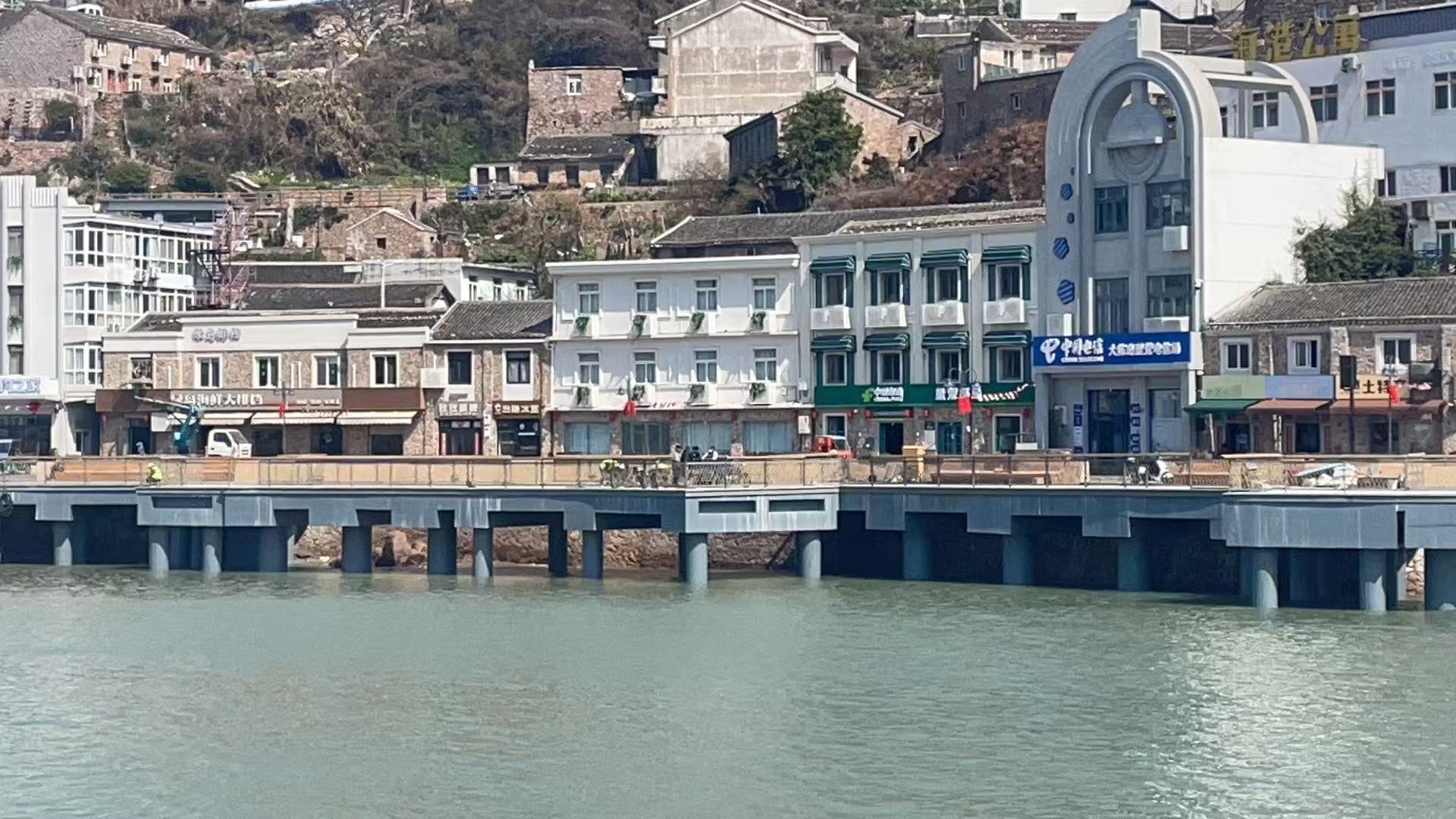
Properties within 1 kilometer of the ocean coastline, or situated within industrial precincts with elevated atmospheric sulfur dioxide or chemical contamination, require more frequent maintenance than the standard schedule above. In these environments, we recommend:
- Surface washing increased to quarterly frequency using fresh water only (no detergents required for salt removal if washed regularly)
- PVDF or anodized finishes selected over standard powder coat for increased resistance to salt aerosol and chemical exposure
- 6063-T6 or 6061-T6 alloy specified rather than standard 6063-T5 for increased resistance to stress corrosion
- All fasteners to be Grade 316 stainless steel rather than 304 grade
- All steel mounting plates to be hot-dip galvanized to 85 microns minimum and additionally powder coated
- Annual sealant inspection rather than biennial for wall penetration and bracket contact points